
"slightly inferior"
800 article(s) found

A brief introduction to the grinding scale of Ethiopian coffee beans by taste treatment method
A brief introduction to the Grinding scale of Ethiopian Coffee Bean characteristics and Flavor treatment; although the Ethiopian Yirgacheffe coffee is petite, it is gentle, delicate and sweet. As the hometown of coffee, thousands of years of planting history and processing tradition in Ethiopia have created high-quality washed Arabica beans. Light baking has a unique smell of lemon, flowers and bees.

Comparison of what kind of roaster should be used to roast Honduran coffee
Honduras is a strange country, and the coffee in this country is famous internationally, and its fragrance is unique. Among all kinds of coffee products, there is an advantage in Honduran coffee, and the washed coffee beans in the mountain areas are well received. The quality of coffee beans produced in the lowlands is slightly inferior. The well-known producing areas are Santa Barra, Gracias, Komayagya in the East, and those in neighboring Nicaragua.
What are the main producing areas of Ethiopian coffee?
The Eastern Highlands of Ethiopia (Harerge province), which grows between 5000 and 7000 feet above sea level, was still wild on slopes a century ago. Raw beans are mostly medium size and long at both ends, with yellow or golden green color, strong chocolate smell when baking, wild taste with moderate acid and rich texture, very typical mocha flavor, good Hara with jasmine flowers.

The Sidamo Coffee production area on the Ethiopian Plateau introduces boutique coffee.
Djimmah, which accounts for about 50 per cent of Ethiopia's annual output, grows between 4400 and 6000 feet above sea level in the country's southwestern highlands (the border between Kaffa and Illubabor provinces) and is usually exported to G5/G4. However, in recent years, about 10% or 20% of Gima has been used to make up for the lack of taste of coffee, but its quality has gradually declined to the water it should have.

Ethiopian Coffee Bean Flavor_Hara, Gemma, Kimbile Kempti, Lim
Harar is located in the Eastern Highlands of Ethiopia (Haredge Province) and grows at an altitude of 5,000 - 7,000 feet. It was still wild on the hillside a century ago. Most of the raw beans are medium in size and pointed at both ends. The color is green with yellow or gold. When roasted, there will be

Ethiopian Sunshine Sidama Coffee Flavor and Taste introduction to Sidamo producing area
Gima, which accounts for about 50 per cent of Ethiopia's annual output, grows between 4400 and 6000 feet above sea level in the country's southwestern highlands (the border between Kaffa and Illubabor provinces) and is usually exported to G5/G4. However, in recent years, about 10% or 20% of Gima has been used to make up for the lack of taste of coffee, but its quality has gradually declined to its own level, but for the purchase of

Introduction of Coffee Flavor description and Taste characteristics in Xidamo Chiso producing area of Ethiopia
Gima, which accounts for about 50 per cent of Ethiopia's annual output, grows between 4400 and 6000 feet above sea level in the country's southwestern highlands (the border between Kaffa and Illubabor provinces) and is usually exported to G5/G4. However, in recent years, about 10% or 20% of Gima has been used to make up for the lack of taste of coffee, but its quality has gradually declined to its own level, but for the purchase of

How to roast Nicaraguan coffee producing areas with segovia alpine beans
Professional coffee knowledge exchange more coffee bean information please pay attention to the coffee workshop (Wechat official account cafe_style) these years rarely see Nicaraguan coffee, in fact, Nicaragua's growing conditions are not inferior to Central American countries, the production of coffee to taste fresh and balanced as the most important feature, it is amazing that the coffee produced by small farmers in shallow roasting with Costa Rican coffee

An introduction to Sumatra Coffee Manor, a boutique coffee bean producing area in Ethiopia
Growing in western Ethiopia, 4900-5900 feet (Wollega province) plateau, north of Jima, mostly wild, annual output is about 500000bags/60kg, export is mostly G5/G4, bean body is larger and longer than Longberry, a little brown in green, taste similar to less jasmine tea, more bitter, lack of rising Hara, slightly sour, slightly fruity and wine aroma, but slightly inferior to Hara.

Introduction of Grinding degree of Coffee Flavor description and treatment in Xidamo Chiso producing area of Ethiopia
Even the official research unit of Ethiopia does not know how many Arabica subspecies there are in Ethiopia. The coffee cooperatives in this mountain are certainly different from those planted in another mountain, and even small farmers in the same region grow different varieties of coffee. It has been estimated that there are at least 2000 varieties of Ethiopian coffee and even more than 4500 kinds of coffee. Compared to the southern neighbor

Six skills and methods of roasting high-quality coffee
After writing, I found that the most difficult thing to talk about coffee roasting is the different understanding of the terms used to describe roasting. I will keep explaining the reason and purpose of using this concept. I try to avoid being polite and give practical information directly. Coffee roasting is an extremely complex process, but we can grasp it by three reference variables. Caramelization value: deep and shallow maturity: over and below

What are the flavor characteristics and taste of mountain beans in Nicaragua-segovia Manor?
Professional coffee knowledge exchange more coffee bean information please follow the coffee workshop (Wechat official account cafe_style) Nicaragua-Sagowian Manor (segovia) what are the flavor characteristics and taste of mountain beans? Sharing Nicaraguan coffee has been forgotten in Taiwan in recent years, and Nicaraguan coffee is rarely seen. In fact, the growing conditions of Nicaragua are not inferior to those of Central American countries.

Nicaraguan Coffee tastes refreshing and balances the flavors of Nicaraguan Coffee with different roasting degrees
For professional baristas, please pay attention to the coffee workshop (Wechat official account cafe_style) Nicaraguan coffee has been forgotten in Taiwan in recent years, and Nicaraguan coffee is rarely seen. In fact, the growing conditions in Nicaragua are not inferior to those in Central American countries. The coffee produced by Nicaragua is characterized by a fresh and balanced taste. What is amazing is that the coffee produced by small farmers is roasted lightly.

Introduction to the Manor of El Salvador Pacamara Coffee Bean Flavor description Grinding scale varieties taste producing area
El Salvador Pacamara coffee bean flavor description grinding scale varieties taste producing area Manor introduced that the planting conditions in Nicaragua are not inferior to those in Central American countries, growing in shaded coffee at high elevations, the taste is round and balanced with less sharp acid, the unknown main factor is the war and hurricanes, resulting in the unsustainable operation of a single farm, and there is no historical data for raw bean merchants to track.

The common way to brew coffee in cafes is to siphon the hand into the mocha pot.
Siphon pot (Syphon) is one of the most popular coffee brewing methods in cafes. Coffee principle: under the burning of alcohol lamp, when the water temperature in the lower container reaches 92 ℃, the water is sucked into the upper container with coffee powder, and after soaking and stirring, the coffee is returned. Suitable for coffee: slightly sour, medium-bodied coffee. Degree of grinding: slightly thicker than powder, then

Introduction to the long flavor description of Ethiopian coffee in Huigan, the taste characteristics of grinding degree and the variety production area.
However, in recent years, about 10% or 20% of Gima has been used to make up for the lack of taste of coffee, but its quality has gradually declined to its own level, but there are bipolar comments on coffee buyers (my friend only uses Gima as the base of espresso in his store, and its strong flavor surprises me).
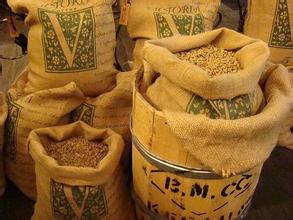
Djimmah, an Ethiopian coffee producing area, follows the ancient method to take the sun treatment class.
The coffee-producing region of Ethiopia is divided into east and west parts by the East African Rift Valley, with lakes, volcanoes, lowlands, plateaus and woodlands interlaced, each evolving. Ethiopia has the most diverse coffee ecosystem in the world (forest coffee, semi-forest coffee, pastoral coffee and plantation coffee), which also preserves its rich Arabica genes. The eastern half is mostly plateaus, coffee beans.

The way coffee is made, how to use coffee equipment.
Equipment usage drip coffee brewing method invented by the Germans. To put it simply, after grinding the coffee, put it in a funnel or add a layer of filter paper and pour hot water on top (the ideal water temperature is between 90C and 95C). Due to the gravity of the earth, the coffee will flow out from below. The amount of coffee is usually 7 to 10 grams of powder can make about a cup of 120ml. Siphon pot (Syphon) siphon

Delight Coffee Manor Nicaraguan Coffee Bean Flavor Nicaraguan Coffee characteristics
Professional coffee knowledge exchange more coffee bean information please pay attention to the coffee workshop (Wechat official account cafe_style) Nicaraguan coffee has been forgotten in recent years, it is rare to see Nicaraguan coffee, in fact, the growing conditions in Nicaragua are not inferior to those in Central American countries, the coffee produced is characterized by freshness and balance, and what is amazing is that the coffee produced by small farmers is roasting shallowly.
Sidamo Coffee Flavor taste the characteristics of the manor producing area Sidamo Shakiso coffee boutique coffee beans
Growing in western Ethiopia, 4900-5900 feet (Wollega province) plateau, north of Jima, mostly wild, annual output is about 500000bags/60kg, export is mostly G5/G4, bean body is larger and longer than Longberry, a little brown in green, taste similar to less jasmine tea, more bitter, lack of rising Hara, slightly sour, slightly fruity and wine aroma, but slightly inferior to Hara.